

Infrastrusture
* Classrooms:
* Spacious and well-ventilated classrooms are fundamental.
* Adequate natural light is crucial for a positive learning atmosphere.
* Age-appropriate furniture and learning aids.
* Increasingly, technology integration with smart boards or interactive displays.
* Libraries:
* A well-stocked library with a diverse collection of books, including fiction, non-fiction, and reference materials.
* A dedicated reading area to encourage independent learning.
* Laboratories:
* Basic science laboratories for practical experiments, especially as students progress through middle school.
* Computer labs with sufficient computers and internet access to develop digital literacy.
* Playgrounds and Sports Facilities:
* Ample outdoor space for physical activities and sports.
* Facilities for various sports like football, basketball, badminton, and track and field.
* Indoor sports areas for activities like table tennis or gymnastics.
* Sanitation and Hygiene:
* Clean and well-maintained restrooms with separate facilities for boys and girls.
* Access to safe drinking water.
* Emphasis on hygiene and cleanliness throughout the school.
* Other Important Facilities:
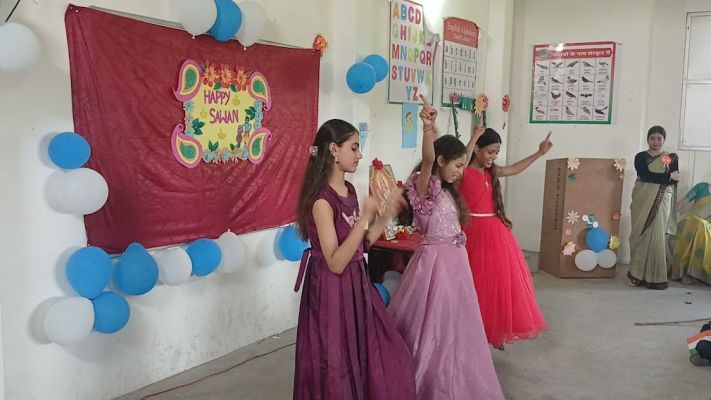
* Assembly hall for school gatherings and events.
* Art and craft rooms to foster creativity.
* Music rooms for developing musical talents.
* First aid room.
* Adequate safety measures.
Key Considerations for Younger Students:
* For primary grades, the infrastructure should be designed to be child-friendly, with colorful and engaging spaces.
* Emphasis on play-based learning with dedicated areas for activities and games.
* Safe and secure environment with appropriate supervision.
| class Rooms | 12 |
| Toilet | 12 |
| Library(more Than 500 Books) | 01 |
| Computer lab | 01 |
| Activity hall/Seminar Room | 01 |
| Pantry(kitchen) | 01 |
| Staff room | 01 |
| First Aid room(Infarmry Room) | 01 |
| Play Ground | 02 |
| Safe Drinking water | Available |